
How Strategic People Leadership Helps UK Businesses Grow in 2026

Strong people leadership is becoming a key driver of business performance in the UK. Investing in strategic HR support helps organisations strengthen culture, improve engagement and build the workforce capability needed for long‑term growth.
Why UK Businesses Need HR Documentation That Protects People and Performance

Modern HR documentation is essential for UK employers because contracts, policies and handbooks must reflect current legislation. When documentation is outdated or inconsistent, organisations face compliance risk, employee confusion and operational disruption.
How UK Managers Can Handle Difficult Conversations Without Damaging Culture
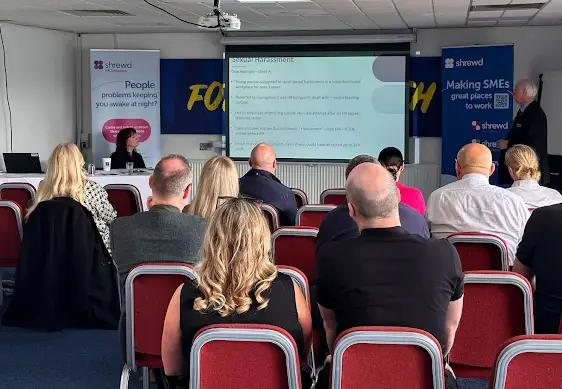
UK managers often struggle with difficult conversations, especially when performance or behaviour concerns arise. With the right HR training and guidance, leaders can communicate clearly, protect workplace culture and resolve issues confidently.
The HR Risks UK Businesses Overlook And How to Fix Them Fast

Many UK businesses carry hidden HR risks because outdated HR documentation and unclear HR processes create compliance issues. Strengthening your HR foundations through expert support helps prevent disputes, legal exposure and cultural disruption.
TUPE

TUPE is one of the most misunderstood areas of employment law. Where it applies, the real risk usually sits in identifying it early, consulting properly and understanding what liabilities may transfer.
Settlement agreements and COT3 negotiations

Settlement agreements and COT3 negotiations can provide a sensible route to resolving workplace issues, but the negotiation stage needs to be handled carefully, fairly and with a clear understanding of risk.
Redundancy in a pool of one

A redundancy pool of one can be fair and lawful, but only if the process is handled properly. The rationale, consultation and consideration of alternatives all still matter.
Navigating workplace investigations

A fair workplace investigation is about gathering facts properly, keeping the process clear and reducing the risk of avoidable disputes later.
Managing underperformance

Underperformance is easier to deal with when it is addressed early. A clear and fair approach can help employees improve and reduce the risk of formal disputes later.
Managing redundancies

Redundancies need to be handled with care, from early planning through to consultation and what happens afterwards. The right support can reduce risk and help protect trust.